
Yoga for Irregular Periods: A Natural Way to Restore Menstrual Balance
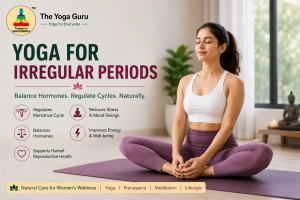
Irregular periods are more than just a menstrual concern—they often indicate an imbalance in the body’s hormonal communication system. A healthy menstrual cycle depends on proper coordination between the brain, endocrine glands, reproductive organs, metabolism, and emotional well-being.
Yoga for Irregular Periods is a natural and holistic approach that helps restore this balance instead of simply treating the symptoms. Through therapeutic yoga poses, pranayama, relaxation techniques, and healthy lifestyle habits, women can support their reproductive health and encourage regular menstrual cycles.
Modern lifestyle habits such as chronic stress, poor sleep, excessive screen time, processed food, sedentary work, and lack of physical activity can disrupt hormonal stability. As a result, many women experience delayed periods, skipped cycles, heavy bleeding, or irregular menstruation.
Rather than forcing menstruation artificially, yoga works by restoring internal harmony so that ovulation and menstrual cycles gradually become more regular.
At Yogaguru Shailendra Yoga and Wellness, menstrual wellness is approached through an integrated system of yoga therapy that combines physical postures, breathing techniques, nervous system regulation, and mindful lifestyle practices for long-term hormonal balance.
Why Periods Become Irregular
The menstrual cycle is regulated by the hypothalamus-pituitary-ovarian (HPO) axis. When stress, metabolic disorders, or hormonal imbalances interfere with this communication network, ovulation becomes inconsistent, leading to irregular periods.
Common causes include:
- Thyroid disorders
- PCOS
- Insulin resistance
- Sudden weight gain or loss
- Emotional stress
- Chronic fatigue
- Poor sleep quality
Many women don’t realize that prolonged stress increases cortisol levels, which directly suppress reproductive hormones such as estrogen and progesterone.
Women experiencing thyroid-related hormonal issues may also benefit from reading our guide on Yoga for Thyroid Imbalance, which explains how yoga supports endocrine health naturally.
How Yoga for Irregular Periods Helps Restore Hormonal Balance
Yoga for Irregular Periods improves menstrual health through several interconnected mechanisms.
First, yoga reduces sympathetic nervous system activity, commonly known as the body’s “fight or flight” response. When the nervous system shifts into a relaxed parasympathetic state, hormonal communication becomes more efficient.
Second, yoga improves blood circulation to the ovaries and uterus. Better circulation delivers oxygen and nutrients that support healthy ovulation and reproductive function.
Third, regular yoga practice improves insulin sensitivity and metabolism, both of which play an important role in maintaining hormonal balance.
Unlike intense workouts that may temporarily increase stress hormones, therapeutic yoga gently guides the body toward equilibrium, making it one of the safest long-term approaches for improving menstrual health.
Best Yoga Poses for Irregular Periods
Hip-opening and spinal extension postures are particularly beneficial because they improve pelvic circulation, reduce muscular tension, and stimulate endocrine function.
Baddha Konasana (Butterfly Pose)
Baddha Konasana improves blood flow around the ovaries and uterus while reducing pelvic stiffness caused by prolonged sitting. Regular practice encourages flexibility and supports healthy reproductive function.
Malasana (Garland Pose)
Malasana strengthens the pelvic floor muscles and promotes healthy uterine circulation. This traditional yogic squat naturally aligns the pelvis and supports female reproductive health.
Bhujangasana (Cobra Pose)
Bhujangasana stimulates the abdominal organs and reproductive glands while relieving the effects of prolonged sitting. The gentle spinal extension enhances circulation and reduces compression around the pelvic region.
Setu Bandhasana (Bridge Pose)
Setu Bandhasana gently stimulates both the reproductive and thyroid glands, highlighting the close relationship between the endocrine system and menstrual health. Regular practice strengthens the lower back, improves pelvic circulation, and supports hormonal balance naturally.
Supta Baddha Konasana (Reclining Butterfly Pose)
This restorative yoga pose deeply relaxes the pelvic muscles and nervous system. It helps reduce stress-related hormonal suppression while improving blood circulation to the reproductive organs. Women experiencing irregular periods due to anxiety or chronic stress may find this pose especially beneficial.
Pranayama for Yoga for Irregular Periods
Breathwork plays an essential role in Yoga for Irregular Periods because breathing directly influences the autonomic nervous system and hormonal communication.
Nadi Shodhana (Alternate Nostril Breathing)
Nadi Shodhana balances the nervous system, reduces mental stress, and improves hormonal communication between the brain and reproductive glands.
Bhramari Pranayama (Humming Bee Breath)
Bhramari calms the mind, reduces anxiety, and lowers cortisol levels. Since chronic stress is one of the leading causes of menstrual irregularities, regular practice can help restore hormonal stability.
Diaphragmatic Breathing
Slow diaphragmatic breathing increases oxygen delivery throughout the body while promoting relaxation. It supports reproductive health by improving circulation and reducing stress-induced hormonal imbalance.
Emotional Health and Yoga for Irregular Periods
Modern medical research increasingly recognizes the relationship between emotional health and reproductive function. Chronic anxiety, emotional exhaustion, and prolonged stress often delay ovulation and disrupt menstrual cycles.
Yoga for Irregular Periods combines physical movement with meditation and mindfulness, helping calm the nervous system and improve emotional well-being. As emotional balance improves, hormonal rhythm often follows naturally.
Lifestyle Habits That Support Yoga for Irregular Periods
Yoga therapy extends beyond physical postures. For the best results, combine Yoga for Irregular Periods with healthy lifestyle habits such as:
- Maintaining a consistent sleep schedule.
- Eating a balanced and nutrient-rich diet.
- Staying properly hydrated.
- Walking or engaging in light daily physical activity.
- Reducing late-night screen exposure.
- Managing stress through meditation and mindfulness.
Women diagnosed with PCOS can also benefit from our detailed guide on Yoga for PCOS and PCOD, which focuses on metabolic and hormonal health.
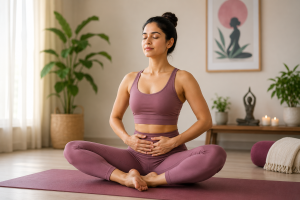
Expected Results from Yoga for Irregular Periods
Yoga produces gradual yet sustainable improvements.
Within the first few weeks, many women notice:
- Better energy levels.
- Reduced PMS symptoms.
- Improved sleep quality.
- Lower stress levels.
With regular practice over two to three months, menstrual cycles often become more predictable as hormonal balance improves.
The objective is not temporary symptom relief but long-term reproductive wellness.
The Role of Stress Hormones in Menstrual Irregularity
One of the most common causes of irregular periods is prolonged activation of the body’s stress response.
When cortisol levels remain elevated for extended periods, the brain temporarily reduces communication with reproductive glands. As a result, estrogen and progesterone production becomes inconsistent, delaying or disrupting ovulation.
Yoga for Irregular Periods helps reverse this process by reducing sympathetic nervous system activity and promoting a calm parasympathetic state. This creates an internal environment where healthy hormonal signaling can resume naturally.
Digestive Health and Hormonal Balance
Digestive health plays a surprisingly important role in regulating female hormones.
Poor digestion, chronic constipation, and gut imbalance can interfere with estrogen metabolism and hormone elimination.
Gentle twisting yoga postures massage the abdominal organs, stimulate digestion, and support healthy liver function. Improved digestion contributes to better hormonal balance, increased energy levels, and overall reproductive wellness.
Why Consistency Matters
Hormonal healing takes time because endocrine glands respond to consistent healthy habits rather than sudden interventions.
Practicing Yoga for Irregular Periods for 20–30 minutes every day is generally more beneficial than practicing for several hours only once or twice a week.
Consistency allows the body to develop healthy hormonal rhythms that support long-term menstrual regularity.
Building Body Awareness Through Yoga
Yoga helps develop interoception—the ability to recognize subtle internal body signals.
Greater body awareness enables women to identify early symptoms such as fatigue, mood changes, poor sleep, or increased stress before menstrual irregularities become more severe.
This awareness transforms yoga from simple exercise into a long-term self-care practice that supports reproductive health.
Conclusion
Irregular periods are often a sign that the body is seeking balance rather than suppression.
Yoga for Irregular Periods provides a safe, natural, and holistic approach to restoring menstrual rhythm by improving hormonal balance, reducing stress, enhancing circulation, supporting metabolism, and promoting emotional well-being.
With consistent practice and proper lifestyle habits, women can experience healthier menstrual cycles and long-term reproductive wellness. At Yogaguru Shailendra Yoga and Wellness, our therapeutic yoga programs are designed to help women reconnect with their body’s natural rhythm through evidence-based yoga practices.