
Yoga for Ovulation Disorder: A Natural Way to Support Healthy Ovulation

Ovulation is one of the most important processes in a woman’s reproductive cycle. During ovulation, a mature egg is released from the ovary, making natural conception possible. However, hormonal imbalance, chronic stress, thyroid disorders, polycystic ovary syndrome (PCOS), obesity, nutritional deficiencies, and lifestyle factors can interfere with this process, leading to ovulation disorders.
Yoga for Ovulation Disorder offers a natural and holistic approach to supporting reproductive health by improving hormonal balance, reducing stress, enhancing blood circulation, and promoting overall wellness. While yoga cannot replace medical treatment for underlying conditions, it can complement professional care by creating an internal environment that supports healthy ovulation.
At The Yoga Guru, yoga therapy combines carefully selected yoga postures, breathing exercises, meditation, and mindful lifestyle practices to improve reproductive health naturally and sustainably.
Understanding Ovulation Disorders
Ovulation disorders occur when the ovaries fail to release an egg regularly or do not release an egg at all. This condition is one of the leading causes of female infertility.
Common symptoms include:
- Irregular menstrual cycles
- Missed periods
- Difficulty conceiving
- Hormonal imbalance
- Unpredictable ovulation
- Abnormal bleeding patterns
Several medical conditions may contribute to ovulation disorders, including:
- Polycystic Ovary Syndrome (PCOS)
- Thyroid disorders
- Premature ovarian insufficiency
- Hyperprolactinemia
- Obesity
- Chronic stress
- Insulin resistance
Women diagnosed with PCOS often experience irregular ovulation. If you have PCOS, you may also benefit from reading our guide on Yoga for PCOS and PCOD, where we discuss therapeutic yoga practices that support hormonal balance and reproductive health.
How Yoga for Ovulation Disorder Supports Hormonal Balance
The endocrine system controls ovulation through coordinated communication between the hypothalamus, pituitary gland, thyroid gland, and ovaries.
When stress levels remain elevated for prolonged periods, cortisol production increases. High cortisol levels may interfere with reproductive hormones responsible for healthy ovulation.
Yoga for Ovulation Disorder helps regulate the nervous system by activating the parasympathetic “rest and restore” response. As stress decreases, hormonal communication improves, creating better conditions for regular ovulation.
Regular yoga practice also improves blood circulation around the pelvis, delivering oxygen and nutrients to reproductive organs while supporting overall endocrine health.
Best Yoga Poses for Ovulation Disorder
Therapeutic yoga postures focus on improving pelvic circulation, reducing muscular tension, and supporting hormonal balance.
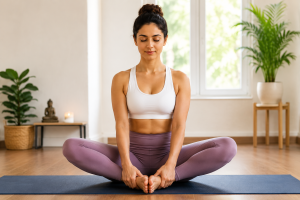
Baddha Konasana (Butterfly Pose)
Baddha Konasana gently opens the hips and improves blood circulation around the ovaries and uterus. It is widely recommended for women seeking better reproductive health because it helps relax the pelvic region while improving flexibility.
Bhujangasana (Cobra Pose)
Bhujangasana stretches the abdominal muscles and stimulates reproductive organs through gentle spinal extension. The posture enhances circulation within the pelvic region while strengthening the back and improving posture.
Setu Bandhasana (Bridge Pose)
Setu Bandhasana supports hormonal coordination by stimulating the thyroid gland and improving pelvic blood flow. Regular practice strengthens the lower back while encouraging healthy reproductive function.
Malasana (Garland Pose)
Malasana improves hip mobility and strengthens the pelvic floor muscles. Better pelvic flexibility encourages healthy circulation, which supports reproductive wellness and hormonal balance.
Pranayama for Ovulation Health
Breathing techniques play a significant role in supporting hormonal regulation.
Anulom Vilom improves oxygen delivery and balances the nervous system, helping reduce stress-related hormonal disruption.
Bhramari Pranayama calms the mind and lowers cortisol levels, allowing reproductive hormones to function more efficiently.
Deep diaphragmatic breathing promotes relaxation, improves circulation, and supports healthy pelvic function.
Lifestyle Habits That Support Yoga for Ovulation Disorder
Yoga works best when combined with healthy daily habits that support hormonal balance and reproductive wellness. Small lifestyle changes can make a significant difference in improving ovulation and overall fertility.
For better results, consider these healthy practices:
- Eat a balanced diet rich in fresh fruits, vegetables, whole grains, and healthy fats.
- Stay hydrated throughout the day.
- Maintain a healthy body weight, as both obesity and being underweight can affect ovulation.
- Sleep for at least 7–8 hours every night.
- Reduce the intake of processed foods and excess sugar.
- Engage in light physical activity, such as walking or stretching, in addition to yoga.
- Practice meditation or mindfulness to manage daily stress.
These habits complement Yoga for Ovulation Disorder by creating a healthier environment for the reproductive system.
Thyroid Health and Ovulation
The thyroid gland plays a crucial role in regulating hormones that influence ovulation. Even mild thyroid dysfunction can affect menstrual cycles and reduce the chances of regular ovulation.
Women experiencing symptoms such as unexplained weight changes, fatigue, hair fall, or irregular periods should also explore our guide on Yoga for Thyroid Imbalance, where we discuss yoga practices that support healthy thyroid function naturally.
Supporting thyroid health may also contribute to improved ovulation and reproductive wellness.
Ovulation Disorders, PCOS, and Irregular Periods
Ovulation disorders are often linked with conditions like PCOS and irregular menstrual cycles. In many cases, hormonal imbalance prevents the ovaries from releasing an egg regularly.
Women facing these challenges may benefit from reading our detailed guides on Yoga for PCOS and PCOD and Yoga for Irregular Periods, where we explain how yoga supports hormonal balance, insulin sensitivity, and menstrual health.
Together, these practices create a holistic approach to improving reproductive function.
Fertility and Reproductive Wellness
Healthy ovulation is one of the key factors in natural conception. While yoga cannot guarantee pregnancy, it helps improve several factors that influence fertility.
Regular yoga practice supports:
- Better pelvic blood circulation.
- Reduced stress and anxiety.
- Improved hormonal coordination.
- Enhanced flexibility and posture.
- Overall physical and emotional well-being.
These improvements help create a healthier environment for reproductive function and may complement fertility treatment under medical guidance.
Women facing fertility challenges related to tubal health can also read our guide on Yoga for Fallopian Tube Blockage, which focuses on improving pelvic circulation and reproductive wellness.
Emotional Health Matters
Living with ovulation disorders can be emotionally challenging. Concerns about fertility, irregular cycles, and hormonal changes often lead to stress, anxiety, and frustration.
Yoga for Ovulation Disorder encourages relaxation through meditation, mindful breathing, and gentle movement. These practices calm the nervous system and help reduce cortisol levels, allowing the body to function more efficiently.
Improved emotional well-being not only benefits mental health but also supports hormonal balance and overall reproductive wellness.
Integrating Yoga with Medical Care
Yoga should be viewed as a complementary practice rather than a replacement for medical treatment.
If you have been diagnosed with an ovulation disorder, continue following your doctor’s advice while incorporating therapeutic yoga into your daily routine. Combining medical care with healthy lifestyle habits and yoga often provides a more comprehensive approach to reproductive health.
Regular health check-ups and proper diagnosis remain essential for identifying the underlying cause of ovulation disorders.
Conclusion
Yoga for Ovulation Disorder offers a natural and holistic way to support reproductive health by improving hormonal balance, reducing stress, enhancing pelvic circulation, and promoting overall wellness.
Although yoga does not replace medical treatment, it can become an important part of a healthy lifestyle that supports regular ovulation and fertility. With consistent practice, mindful breathing, and healthy daily habits, many women experience improved physical and emotional well-being.
At The Yoga Guru, our therapeutic yoga programs are designed to help women nurture hormonal health and reproductive wellness through safe, evidence-informed yoga practices.